Sarah pulled up her Google Analytics dashboard and froze. Despite her company ranking #1 for their primary keyword, a position they'd fought eighteen months to achieve, organic traffic had dropped 34% since March. She ran diagnostics: no penalties, no technical issues, rankings intact. The mystery deepened until she searched her own target keyword and saw it: a massive AI-generated answer at the top of results, synthesizing information from five sources to answer the query completely. Users got their answer instantly. No click required.
Sarah's experience reflects a seismic shift happening across digital marketing. According to Similarweb data, zero-click searches on Google have surged from 56% to 69% between May 2024 and May 2025, a 13-percentage-point jump in just twelve months. More staggering: organic traffic to websites declined from 2.3 billion visits in mid-2024 to 1.7 billion by May 2025. That's 600 million lost visits while search volume continues growing.
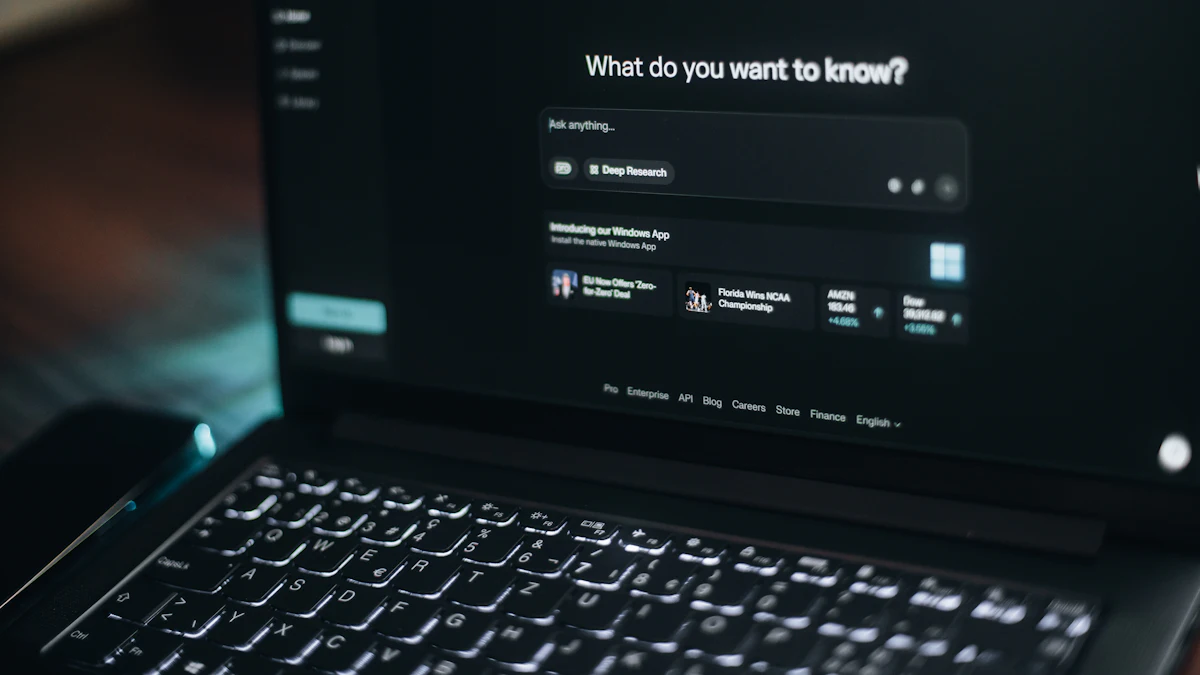
The search landscape has fundamentally transformed. Google, ChatGPT, Perplexity, and other AI platforms aren't just finding answers, they're delivering them directly, often without users ever clicking through to source websites. For businesses that built their growth on organic search traffic, this represents an existential challenge. Gartner predicts 25% of organic search traffic will shift to AI chatbots and virtual agents by 2026. The question isn't whether your business will be affected, it's whether you'll adapt in time.
This comprehensive guide reveals how forward-thinking businesses are maintaining and growing their visibility through Answer Engine Optimization (AEO), the strategic practice of positioning content for AI-powered answer engines while simultaneously strengthening traditional SEO. You'll discover the exact framework Digital Warehouses of America® developed to help clients navigate this transition, including technical implementation strategies, content optimization tactics, and measurement approaches that work across multiple AI platforms.
1. The Search Revolution: Why 69% of Searches Never Leave Google
The traditional search paradigm, type query, scan results, click link, find answer, has quietly collapsed. Data from Semrush's analysis of 10 million+ keywords reveals that AI Overviews now appear in 13.14% of all U.S. desktop queries as of March 2025, with that percentage climbing steadily month over month. These AI-generated answers occupy massive screen real estate: 1,345 pixels when expanded, pushing the first organic result down to 1,686 pixels, far beyond standard screen sizes.
The impact on user behavior is dramatic. When an AI Overview appears on a search results page, the click-through rate for the #1 organic position plummets from 7.3% to just 2.6%, a 64% decline. Users are getting satisfactory answers without ever leaving Google's ecosystem. This trend extends beyond Google. ChatGPT now handles hundreds of millions of queries monthly, with 34% of U.S. adults having used the platform as of June 2025, roughly double the adoption rate from 2023.
The shift accelerates across demographics. According to industry research, over 60% of Millennials and Gen Z already incorporate AI engines into their regular search routines. Voice commerce, powered by AI assistants that rely on answer engine content, is projected to reach $80 billion in annual value. These aren't future projections, this transformation is happening now.
The Critical Insight: Zero-click searches aren't failures, they're opportunities. When AI platforms cite your content as an authoritative source, you gain brand visibility, establish expertise, and build trust even without direct website visits. Companies like NerdWallet demonstrate this reality: despite experiencing a 20% decrease in site traffic, they reported 35% revenue growth by ensuring their content and expertise reached consumers through AI-generated answers and featured snippets.
The businesses thriving in this new landscape aren't fighting the change, they're strategically positioning themselves as the authoritative sources AI platforms consistently cite. This requires understanding a fundamentally different optimization discipline.
2. Understanding Answer Engine Optimization: Beyond Traditional SEO
Answer Engine Optimization (AEO) is the strategic practice of optimizing content so AI-powered platforms can easily extract, understand, and cite your information when generating answers to user queries. While traditional SEO focuses on improving website rankings on search engine results pages, AEO ensures your content becomes the answer that AI engines deliver across multiple platforms, Google AI Overviews, ChatGPT, Perplexity, Bing Copilot, voice assistants, and emerging AI search tools.
The fundamental difference lies in the end goal. SEO aims to drive clicks to your website. AEO aims to make your content the authoritative source AI platforms reference, whether users click through or not. This doesn't mean abandoning SEO, rather, AEO represents an evolution that works synergistically with traditional optimization.
How Answer Engines Work
Modern answer engines leverage three core technologies to deliver responses:
Natural Language Processing (NLP): AI engines interpret the context and intent behind queries rather than just matching keywords. When someone searches "how to reduce customer acquisition costs," the engine understands they want strategic advice about lowering CAC, not just a definition. This contextual understanding allows AI to synthesize information from multiple sources and present cohesive answers.
Large Language Models (LLMs): Platforms like ChatGPT use massive neural networks trained on vast amounts of web content to generate human-like responses. These models identify patterns, relationships, and authoritative information structures that signal trustworthy content. When your content aligns with these patterns, LLMs are more likely to cite it.
Real-Time Web Retrieval: Answer engines continuously crawl the web for current information. Research shows that most LLM citations occur within 2-3 days of content publishing, with citation rates as high as 2% of all citations in a niche during this window. However, citation rates decay rapidly, dropping to 0.5% within 1-2 months, making freshness signals critical.
AEO vs. Traditional SEO: Key Differences
| Traditional SEO | Answer Engine Optimization (AEO) |
|---|---|
| Focuses on keyword rankings and SERP position | Focuses on becoming the cited answer source |
| Optimizes for clicks and website traffic | Optimizes for visibility and authority in AI responses |
| Success measured by rankings and visits | Success measured by citations and mentions |
| Targets search engines primarily | Targets multiple AI platforms simultaneously |
| Content structured for human readers | Content structured for both AI extraction and human reading |
| Backlinks drive authority | Structured data + backlinks + content clarity drive authority |
The most successful digital marketing strategies in 2025 integrate both approaches. AI-powered digital marketing platforms that understand this synergy help businesses maintain traditional search visibility while capturing the growing share of AI-mediated queries. Companies that treat AEO and SEO as separate, competing strategies miss the fundamental insight: they're complementary disciplines that reinforce each other when implemented strategically.
3. The Business Impact: What Zero-Click Search Means for Your Revenue
The rise of zero-click searches creates a paradox: your search visibility can remain strong or even improve while website traffic declines. Understanding the business implications requires moving beyond vanity metrics like rankings and examining actual revenue impact.
The Traffic Decline Reality
Semrush data analyzing 300,000 keywords reveals that 99.2% of queries triggering AI Overviews have informational intent, users seeking to learn about specific topics rather than find particular websites or local businesses. For companies relying heavily on informational content for top-of-funnel traffic, the impact is severe. Publishers have been hit particularly hard: in some cases, 75% of top keywords driving traffic now trigger AI Overviews that result in zero clicks to source websites.
However, Traffic ≠ Revenue
The critical question isn't "How do we maintain the same traffic?" but rather "How do we maintain or grow revenue as user behavior shifts?" Forward-thinking businesses are discovering several paths to sustainable growth:
Brand Authority and Trust Building: When AI platforms consistently cite your company as an authoritative source, you build brand recognition and expertise association. Users who encounter your brand name in AI-generated answers develop familiarity and trust, making them more likely to seek you out directly when ready to convert.
Direct Navigation Growth: As users become familiar with your brand through AI citations, they increasingly bypass search engines entirely and navigate directly to your website. This direct traffic, while harder to attribute, often converts at higher rates than organic search traffic because users arrive with established trust.
Featured Position Premium: Links that appear within AI Overviews actually receive higher click-through rates than traditional #1 organic positions. Google's internal data shows that being cited in an AI Overview can drive more qualified traffic than ranking alone, though the overall volume may be lower.
Higher Intent Traffic: While overall volume decreases, the traffic that does arrive often represents higher purchase intent. Users who read an AI-generated answer and still choose to click through demonstrate stronger interest and research commitment.
Advertising Opportunities: Google announced at Google Marketing Live 2025 that ads in AI Overviews are now available, creating new paid visibility opportunities as organic reach evolves.
Industry-Specific Impact Analysis
According to Semrush research, industries experiencing the largest AI Overview growth include:
- Science: +22.27% share growth
- Health: +20.33% share growth
- People & Society: +18.83% share growth
- Law & Government: +15.18% share growth
These information-dense, high-trust categories show where AI search is expanding most aggressively. If your business operates in these sectors, AEO implementation becomes even more critical. Conversely, transactional and navigational queries show much lower AI Overview presence, meaning e-commerce and local service businesses face less immediate disruption, though this will evolve.
The Adaptation Imperative
Companies that delay AEO implementation face increasingly expensive catch-up requirements. Competitors establishing authoritative positions in AI training data and real-time search results create compounding advantages that become harder to overcome over time. The window for establishing citations is narrow, most occurring within days of publication, making early adoption essential for gaining and maintaining visibility in AI-generated answers.
4. The DWA AEO Implementation Framework: A Strategic Approach
Digital Warehouses of America® developed a comprehensive framework for businesses navigating the transition to answer engine optimization while maintaining strong traditional SEO performance. This five-phase approach ensures strategic implementation that delivers measurable results.
Phase 1: Foundation Audit & Competitive Intelligence
Objective: Understand your current position and identify opportunities
Actions:
- AEO Competitive Analysis: Search your top 20 target keywords in Google, ChatGPT, and Perplexity. Document which brands AI platforms cite, how often, and in what contexts. Track findings in a spreadsheet noting query, platform, citations, and content formats that dominate.
- Content Inventory: Audit existing content identifying pieces that already answer specific questions. These represent your quickest wins for AEO optimization, content requiring formatting and structure updates rather than complete rewrites.
- Technical Assessment: Evaluate your website's schema markup implementation, semantic HTML usage, and structured data accuracy. Answer engines require technical foundation to extract content reliably.
- Traffic Pattern Analysis: Identify which pages experienced traffic declines despite stable rankings. These pages likely compete with AI-generated answers and require immediate AEO optimization.
Phase 2: Strategic Question Mapping
Objective: Identify high-value questions your target audience asks
Actions:
- Customer Question Research: Mine your sales calls, customer service inquiries, and support tickets for recurring questions. These represent real information needs your audience has.
- SERP Feature Analysis: Identify queries triggering "People Also Ask" boxes, featured snippets, and AI Overviews. These signal questions where AI engines need authoritative answers.
- Voice Search Query Identification: Analyze conversational, question-based queries in your analytics. Voice search adoption drives natural language query growth requiring different optimization approaches.
- Intent Classification: Categorize questions by search intent (informational, commercial investigation, transactional) to prioritize optimization efforts. Informational queries see highest AI Overview presence but commercial queries offer conversion opportunities.
Phase 3: Content Optimization for AI Extraction
Objective: Restructure content for AI comprehension and citation
Actions:
- Question-Answer Format: Structure content with explicit questions as H2/H3 headers followed immediately by direct, concise answers (40-60 words). This format matches how AI engines extract information.
- Answer Frontloading: Place complete answers at section beginnings before expanding with context, examples, and details. AI engines prioritize information appearing early in content sections.
- Hierarchical Structure: Implement clear H2/H3 hierarchy with descriptive, keyword-rich headers. Semantic HTML helps AI engines understand content organization and topical relationships.
- Multi-Format Presentation: Present key information in multiple formats, paragraph summaries, bullet lists, comparison tables, and FAQ sections. Different AI platforms extract different formats preferentially.
Phase 4: Technical Infrastructure Implementation
Objective: Provide technical foundation AI engines require
Actions:
- Schema Markup Deployment: Implement Article, FAQPage, HowTo, and other relevant schema types. Structured data enables AI engines to understand content context and relationships.
- Semantic HTML Enhancement: Use proper heading hierarchy, descriptive link anchor text, and semantic elements (article, section, aside). Professional website development with semantic HTML structure provides the foundation answer engines require for reliable content extraction.
- URL Optimization: Ensure URLs reflect content topics clearly. AI engines scan URL slugs to determine relevance, specific, query-aligned slugs improve citation likelihood.
- Performance Optimization: Fast-loading pages receive priority from AI crawlers. Implement CDN, optimize images, and minimize server response time.
- Author Attribution: Add author schema markup with credentials and expertise indicators. Research suggests author attribution improves citation of content, particularly from expert contributors.
Phase 5: Multi-Platform Distribution & Monitoring
Objective: Amplify content reach and track performance
Actions:
- Coordinated Publishing: Distribute optimized content across owned channels, website, social media, email newsletters, within 48 hours. This concentrated publishing window maximizes the brief window for citation.
- Platform-Specific Optimization: Tailor content for each distribution channel while maintaining core message. Multi-platform social media management ensures consistent content distribution that supports AEO across platforms.
- Citation Tracking: Monitor mentions in AI-generated answers across platforms. Tools are emerging for this, but manual tracking via spreadsheets remains effective for most businesses.
- Continuous Iteration: Review which content formats and topics earn citations. Double down on successful approaches and refine unsuccessful ones based on performance data.
Integration with Traditional SEO
The framework explicitly integrates AEO with traditional SEO rather than replacing it. Modern comprehensive SEO approaches with modern AEO techniques, including on-page optimization for 10 pages, backlink building, competitor analysis, and structured data implementation, position content for both traditional rankings and AI citations. The synergy between disciplines creates compounding advantages: strong traditional SEO builds domain authority that AI engines factor into citation decisions, while AEO-optimized content earns featured snippets that improve traditional rankings.
The most effective approach treats SEO and AEO as complementary facets of comprehensive search optimization rather than competing priorities requiring separate strategies. Businesses implementing this integrated framework maintain visibility across the full spectrum of search behavior, traditional clicks, featured snippets, and AI-generated answers.
5. Technical Foundations: Schema Markup and Structured Data for AI
Answer engines rely heavily on structured data to understand content context, extract information accurately, and determine which sources to cite. While AI can interpret unstructured content through natural language processing, structured data provides explicit signals that dramatically improve citation likelihood.
Why Structured Data Matters for AEO
AI platforms process millions of web pages to generate answers. Structured data acts as a clear label system telling AI engines exactly what information pages contain, how pieces relate to each other, and what level of authority the source possesses. Research from multiple AEO studies consistently shows that pages with proper schema markup earn citations at significantly higher rates than those without.
The Citation Advantage: When an AI engine evaluates two pages with similar content quality, the page with comprehensive schema markup wins citation preference. The structured data reduces processing ambiguity and provides confidence signals about content accuracy and relevance.
Essential Schema Types for AEO
Article Schema: The foundation for most content pages
{ "@context": "https://schema.org", "@type": "Article", "headline": "Your Article Title", "description": "Brief description of article content", "author": { "@type": "Person", "name": "Author Name", "jobTitle": "Author Credentials", "url": "https://digitalwarehouses.com/#about" }, "publisher": { "@type": "Organization", "name": "Digital Warehouses of America®", "logo": { "@type": "ImageObject", "url": "https://digitalwarehouses.com/logo.png" } }, "datePublished": "2025-10-31", "dateModified": "2025-10-31", "mainEntityOfPage": { "@type": "WebPage", "@id": "https://digitalwarehouses.com/blog/answer-engine-optimization-strategy-2025" } }
FAQPage Schema: Critical for question-answer content
This schema type directly feeds AI engines with structured question-answer pairs optimized for extraction:
{ "@context": "https://schema.org", "@type": "FAQPage", "mainEntity": [{ "@type": "Question", "name": "What is answer engine optimization?", "acceptedAnswer": { "@type": "Answer", "text": "Answer engine optimization is the strategic practice of optimizing content so AI-powered platforms can easily extract, understand, and cite your information when generating answers to user queries." } }] }
HowTo Schema: Perfect for tutorial and process content
{ "@context": "https://schema.org", "@type": "HowTo", "name": "How to Implement Schema Markup", "description": "Step-by-step guide for adding structured data", "step": [{ "@type": "HowToStep", "name": "Choose schema type", "text": "Identify which schema types match your content", "position": 1 }] }
Organization Schema: Establishes authority and trust
{ "@context": "https://schema.org", "@type": "Organization", "name": "Digital Warehouses of America®", "url": "https://digitalwarehouses.com", "logo": "https://digitalwarehouses.com/logo.png", "sameAs": [ "https://www.linkedin.com/company/digitalwarehouses/", "https://twitter.com/digitalwa_" ], "contactPoint": { "@type": "ContactPoint", "telephone": "+1-407-258-1598", "contactType": "customer service" } }
Implementation Best Practices
1. Accuracy Is Critical: Ensure schema data matches visible page content exactly. Mismatches between structured data and on-page content signal low quality to AI engines and can result in citation exclusion.
2. Comprehensive Coverage: Don't implement schema selectively. AI engines evaluate your entire site's technical quality when determining citation worthiness. Partial implementation suggests incomplete optimization.
3. Validation and Testing: Use Google's Rich Results Test and Schema Markup Validator to identify errors before publication. Even minor syntax errors can prevent AI engines from extracting data.
4. Update Frequency: Refresh dateModified timestamps when updating content. AI engines prioritize recently updated content for citations, especially in rapidly evolving topics.
5. Author Credentials: Include detailed author schema with expertise indicators. While not definitively proven, research suggests expert author attribution improves citation rates, particularly for YMYL (Your Money Your Life) topics.
Semantic HTML: The Foundation Under Schema
Structured data works most effectively when built on proper semantic HTML. AI engines evaluate both explicit schema markup and implicit HTML structure when determining content quality:
Proper Heading Hierarchy: Use H1 → H2 → H3 progression logically. Never skip heading levels or use headings purely for styling. This hierarchy helps AI engines understand content organization and topical relationships.
Semantic Elements: Use HTML5 semantic elements like <article>, <section>, <aside>, and <nav> to indicate content purpose. These elements provide structural context AI engines rely on.
Descriptive Link Text: Use keyword-rich, descriptive anchor text for internal links. Generic phrases like "click here" provide no semantic value for AI understanding.
Alt Text for Images: While primarily an accessibility feature, descriptive alt text helps AI engines understand visual content context and improves overall content comprehension.
Professional website development with semantic HTML structure and schema markup implementation provides the technical foundation answer engines require for content extraction and citation. Websites built without these technical elements face significant disadvantages in earning AI citations regardless of content quality.
6. Content Optimization: Writing for AI Understanding and Human Engagement
The challenge of AEO content optimization lies in satisfying two masters: AI engines that need clear, structured, extractable information, and human readers who want engaging, valuable content. The most successful approach serves both audiences simultaneously rather than compromising one for the other.
The Question-Answer Architecture
AI engines excel at matching questions to answers. Structuring content explicitly around questions dramatically improves citation likelihood while also improving user experience:
1. Use Questions as Headers: Transform generic headers into specific questions your audience actually asks.
Instead of: "Benefits of Marketing Automation" Use: "How Does Marketing Automation Reduce Customer Acquisition Costs?"
2. Provide Direct Answers Immediately: Open each section with a concise, complete answer (40-60 words) that fully addresses the question before elaborating.
Example Structure:
How Does Marketing Automation Reduce Customer Acquisition Costs?
Marketing automation reduces customer acquisition costs by streamlining repetitive tasks, enabling personalized nurturing at scale, and improving lead qualification accuracy. Businesses implementing automation report average 34% reduction in CAC while simultaneously improving lead quality by 23% through better targeting and timing.
Followed by detailed explanation with examples, data, and implementation guidance
This structure allows AI engines to extract the direct answer for immediate user delivery while human readers can continue for deeper understanding.
3. Multiple Answer Formats: Present the same core information in different formats within the same content piece:
- Paragraph summary (for AI Overview-style extraction)
- Bullet list (for voice assistants and featured snippets)
- Comparison table (for ChatGPT and structured data display)
- FAQ section (for question-specific queries)
Different AI platforms preferentially extract different formats. Multi-format presentation maximizes citation opportunity across platforms.
Language Optimization for Natural Language Processing
AI engines analyze content differently than humans read. Optimizing for AI understanding requires attention to specific language patterns:
1. Conversational, Natural Language: Voice search and conversational AI prioritize content written in natural speech patterns rather than keyword-stuffed prose.
Traditional SEO approach: "Best CRM software small business solutions" AEO approach: "What is the best CRM software for small businesses?"
2. Clear, Unambiguous Phrasing: Avoid jargon, idioms, and metaphors unless immediately defined. AI engines struggle with figurative language and ambiguous references.
3. Consistent Terminology: Once you introduce a concept, use the exact same term throughout. Varying vocabulary for stylistic reasons (using "CRM system" then "customer relationship platform") confuses AI pattern recognition.
4. Explicit Relationships: State connections between ideas explicitly rather than assuming readers will infer them.
Less effective: "Marketing automation improves efficiency. This leads to better ROI." More effective: "Marketing automation improves efficiency, which directly improves ROI by reducing time spent on manual tasks."
5. Answer Completeness: Provide self-contained answers that don't require reading other sections. AI engines extract individual content sections, not entire articles.
Content Freshness and Update Strategies
Research consistently shows AI citation rates peak within 2-3 days of publication and decay rapidly thereafter. This creates specific content strategy implications:
1. Regular Publishing Cadence: Consistent content publication (weekly or bi-weekly minimum) keeps your brand appearing in the critical 2-3 day citation window continuously rather than in isolated bursts.
2. Strategic Content Updates: Refresh high-performing content quarterly with new data, updated examples, and current statistics. Update the dateModified schema timestamp to signal freshness.
3. Trending Topic Responsiveness: Create content rapidly around emerging trends and breaking developments in your industry. The narrow citation window favors timely content creation.
4. Evergreen Foundation + Timely Updates: Build comprehensive evergreen guides and update them with current sections rather than creating entirely new content. This approach combines authority building with freshness signals.
Writing Formats That AI Engines Prioritize
Certain content formats consistently earn higher citation rates across AI platforms:
Definitive Lists: "7 Strategies for X" or "15 Essential Y Tools" perform exceptionally well because they provide discrete, extractable information units.
Step-by-Step Processes: HowTo content with numbered steps earns citations from voice assistants and chatbots that need to deliver procedural guidance.
Comparison Content: Side-by-side comparisons with clear evaluation criteria help AI engines answer "best" and "versus" queries.
Data-Driven Analysis: Content featuring original research, proprietary data, or comprehensive data synthesis establishes authority AI engines recognize and cite.
Problem-Solution Frameworks: Content explicitly identifying problems and providing structured solutions matches how AI engines organize information.
Structuring email marketing campaigns with structured content principles applies the same optimization approach across channels. Content formatting for AI extraction improves performance whether delivered via web pages, email newsletters, or social media posts.
The Human Element: Maintaining Engagement
Despite optimization for AI, content must remain genuinely valuable for human readers who click through from citations:
Tell Stories: Include real examples, case studies, and scenarios that bring concepts to life. AI engines extract facts; human readers remember stories.
Provide Unique Insights: Go beyond information available everywhere else. Original perspectives, proprietary frameworks, and expert analysis create content worth citing and worth reading.
Visual Content Hierarchy: Use formatting, bold text, varied paragraph lengths, subheadings, to create visual breaks that improve scannability even in purely text content.
Practical Application: Always include actionable steps readers can implement immediately. The gap between information and application creates value.
Content optimized exclusively for AI extraction without regard for human engagement fails to build the authority and backlink profile that supports long-term citation success. The most effective AEO content serves both audiences equally well.
7. Multi-Platform Strategy: Optimizing for Google, ChatGPT, and Perplexity Simultaneously
The fragmentation of search across multiple AI platforms creates a strategic challenge: each platform has different algorithms, citation preferences, and content evaluation methods. However, underlying principles apply across platforms, enabling businesses to optimize efficiently without creating separate content for each AI engine.
Understanding Platform Differences
Google AI Overviews:
- Appears in ~13-20% of searches (March 2025)
- Strongly favors high-domain-authority sites
- Cites Reddit (21%) and YouTube (18.8%) frequently
- Repeats websites across multiple citations (58.49% repeat rate)
- Prioritizes structured data and schema markup
- Integrates traditional ranking signals with AI citation logic
ChatGPT:
- Answers 99.9% of queries (vs. 58.15% by Google AI Overviews)
- Relies on training data + real-time web retrieval
- Citation rates peak within 2-3 days of publication
- Evaluates URL structure for relevance signals
- Favors comprehensive, authoritative content
- No traditional "ranking" system, binary citation decision
Perplexity AI:
- Lower website repetition rate (25.11% vs. Google's 58.49%)
- More diverse citation sources
- Strongly emphasizes content freshness
- Transparent citation methodology with source links
- Real-time web crawling for current information
- Technical accuracy weighted heavily
Bing Copilot:
- Integrated with Microsoft ecosystem
- Leverages Bing's traditional search index
- Citation logic similar to ChatGPT (both use GPT architecture)
- Enterprise-focused with professional tone preferences
Universal Optimization Principles
Despite platform differences, five core principles improve citation likelihood across all AI engines:
1. Authoritative Source Signals
All platforms evaluate source credibility when deciding which content to cite. Build authority through:
- Backlink Profile: High-quality backlinks from reputable sites in your industry remain critical. AI engines factor backlink authority into citation decisions.
- Consistent Publishing: Regular content publication demonstrates active expertise rather than abandoned resources.
- Author Credentials: Detailed author bios with relevant expertise and credentials signal authority, particularly for YMYL content.
- Domain Authority: Older domains with established histories typically receive citation preference over new sites.
2. Technical Excellence
AI crawlers prioritize sites that facilitate easy content extraction:
- Fast Load Times: Sub-3-second page load speeds signal quality infrastructure
- Clean HTML: Valid, semantic HTML without excessive JavaScript dependencies
- Mobile Optimization: Responsive design that works across devices
- Secure Connection: HTTPS encryption (now baseline expectation)
- Schema Markup: Comprehensive structured data implementation
3. Content Completeness
AI engines favor comprehensive content that fully answers queries:
- Depth Over Breadth: Thoroughly cover fewer topics rather than superficially addressing many
- Multi-Faceted Answers: Address questions from multiple angles
- Supporting Evidence: Include data, examples, and citations backing claims
- Related Topic Coverage: Cover logical follow-up questions users might have
4. Clear Information Hierarchy
Structured content organization helps AI engines understand and extract information:
- Logical Heading Progression: H1 → H2 → H3 progression that organizes topics hierarchically
- Front-Loaded Answers: Place direct answers before elaboration
- Scannable Formatting: Bullet lists, numbered steps, comparison tables
- Section Independence: Each section should stand alone without requiring other sections
5. Freshness Signals
All platforms favor recently published or updated content:
- Publication Dates: Clear datePublished and dateModified schema
- Regular Updates: Quarterly refresh of existing content with new information
- Current Examples: Replace dated references with contemporary ones
- Trending Topics: Timely content on emerging industry developments
Platform-Specific Optimization Tactics
While universal principles apply broadly, each platform responds to specific optimization approaches:
For Google AI Overviews:
- Focus on featured snippet optimization, same tactics that earn snippets improve AI Overview likelihood
- Implement comprehensive FAQ schema markup
- Build presence on Reddit and YouTube (Google's most-cited sources)
- Target informational queries (88.1% of AI Overview triggers)
- Optimize for "People Also Ask" box inclusion
For ChatGPT:
- Create URL slugs that precisely match query language (e.g., /best-corporate-card for "best corporate card" searches)
- Publish and promote content aggressively within 48-hour citation window
- Focus on comprehensive, authoritative guides over shorter content
- Use clear question-as-heading format throughout
- Build citation momentum through social sharing immediately after publication
For Perplexity AI:
- Emphasize extreme content freshness (update weekly if possible)
- Cite original sources extensively with clear attribution
- Use technical accuracy and precise language
- Create content that serves as definitive reference on specific topics
- Include data visualizations and research citations
Cross-Platform Content Distribution
Optimizing for multiple platforms simultaneously requires coordinated content distribution:
Phase 1: Foundation Publication (Day 0)
- Publish optimized content on primary website
- Ensure all technical elements (schema, semantic HTML) implemented correctly
- Set up tracking to monitor citation appearance
Phase 2: Owned Channel Amplification (Days 0-2)
- Share on all social media platforms within 24 hours
- Distribute via email newsletter to subscribers
- Post on relevant community platforms (Reddit, LinkedIn groups, industry forums)
- Internal linking from related existing content
Multi-platform social media management ensures consistent, timely content distribution across Facebook, Instagram, LinkedIn, and Twitter, critical for maximizing the narrow citation window where content earns highest visibility.
Phase 3: External Amplification (Days 2-7)
- Outreach to industry publications for potential coverage
- Share with influencers and thought leaders in your space
- Engage in relevant discussions linking to content as resource
- Consider paid promotion to accelerate awareness
Phase 4: Maintenance and Monitoring (Ongoing)
- Track which platforms cite your content
- Monitor citation language, how AI engines describe your source
- Update content quarterly to maintain freshness
- Analyze competitor citations to identify gaps
Avoiding Platform-Specific Pitfalls
Each platform has specific sensitivities that can hurt citation likelihood:
Google: Avoid duplicate content issues, thin content, and aggressive link schemes that trigger manual actions. AI Overview citations favor sites with strong traditional SEO foundations.
ChatGPT: Avoid extremely recent content without established authority (preference for balance between freshness and credibility). Also avoid content behind paywalls, ChatGPT can't access it for citation.
Perplexity: Avoid outdated information and overly promotional content. Perplexity emphasizes factual accuracy and academic-style content over marketing-heavy resources.
Universal: Never plagiarize or heavily paraphrase competitor content. AI engines identify content similarity and deprioritize derivative sources. Unique perspectives and original insights earn citations.
The most efficient approach treats multi-platform optimization as a unified strategy rather than separate campaigns. Core content principles, authority, clarity, completeness, structure, translate across platforms. Platform-specific tactics then fine-tune this foundation rather than requiring entirely different content approaches for each AI engine.
8. Measuring Success: New Metrics for the AEO Era
Traditional SEO metrics, rankings, organic traffic, click-through rates, don't fully capture AEO success. When AI engines cite your content without driving clicks, conventional analytics miss the visibility and authority you're building. Answer engine optimization requires new measurement frameworks that account for citations, mentions, and brand exposure across platforms where users never visit your website.
The AEO Metrics Hierarchy
Tier 1: Direct Impact Metrics
These metrics directly measure AI engine citations and appearances:
1. Citation Count: Number of times AI platforms mention or cite your brand, content, or domain when answering queries. This represents the fundamental AEO metric, direct evidence that AI engines recognize your content as authoritative.
How to Track: Manual testing of key queries across ChatGPT, Google AI Overviews, Perplexity, and Bing Copilot. Document which queries trigger citations and how frequently your brand appears. While dedicated AEO tracking tools are emerging, manual auditing remains effective for most businesses.
2. Citation Rate: Percentage of relevant queries where AI engines cite your content compared to total testable queries in your topic area.
Calculation: (Queries Where Cited / Total Relevant Queries Tested) × 100
Benchmark: Citation rate of 15-25% for well-optimized content in established topic areas represents strong performance. Rates above 30% indicate dominant authority.
3. Position in AI Responses: When cited, where does your source appear in the AI-generated answer? First citation carries more weight than being the fifth source mentioned.
4. Featured Snippet Capture: Percentage of target keywords where your content appears in Google featured snippets. Strong correlation exists between featured snippet success and AI Overview citations.
Tier 2: Indirect Impact Metrics
These metrics indicate AEO influence without directly measuring citations:
5. Brand Search Volume: Growth in branded searches suggests increasing awareness driven by AI engine exposure. Users who encounter your brand in AI answers often search your company name directly.
Tracking: Google Search Console → Performance → Queries → Filter by brand terms. Monitor month-over-month growth.
6. Direct Traffic Growth: Increases in direct website traffic may indicate users familiar with your brand through AI citations navigating directly to your site.
Caveat: Direct traffic includes multiple sources. Look for correlation with citation increases rather than attributing all growth to AEO.
7. Referral Traffic from AI Platforms: Some AI engines provide direct links to sources. Track referral traffic specifically from:
- ChatGPT (limited but growing)
- Perplexity.ai (consistent referral source)
- Bing Copilot (Microsoft referral tracking)
8. SERP Feature Presence: Track appearance in Google features that feed AI Overviews:
- Featured Snippets
- People Also Ask boxes
- Knowledge Panel mentions
- Rich Results
- Video Results (YouTube)
9. Topic Authority Score: Monitor your site's topical authority using tools like Ahrefs Topic Authority or creating custom calculations based on:
- Total keywords ranking in topic cluster
- Average position for topic keywords
- Featured snippet presence in topic
- Backlinks from authoritative sources in topic
Tier 3: Business Outcome Metrics
Ultimate success measurements connecting AEO to business results:
10. Revenue Attribution: While challenging, track revenue from users who interact with AI-cited content:
- Survey new customers asking how they discovered your company
- Use UTM parameters on links when possible
- Implement post-conversion surveys
- Analyze conversion path data for branded search patterns
11. Cost Per Acquisition (CPA): Monitor whether CPA decreases as brand awareness from AI citations grows. Users arriving through brand searches convert at higher rates with lower acquisition cost.
12. Customer Lifetime Value (CLV): Track whether customers acquired through brand awareness channels (driven by AI citations) have higher CLV than paid acquisition channels.
13. Market Share of Voice: In your industry, what percentage of AI citations does your brand capture compared to competitors? This represents your "share of AI visibility."
Implementation: Setting Up AEO Tracking
Step 1: Establish Baseline
Before implementing AEO strategies, measure current state:
- Identify 20-30 high-value queries relevant to your business
- Test each query across Google (with AI Overviews enabled), ChatGPT, Perplexity, and Bing Copilot
- Document current citation presence (likely near zero pre-optimization)
- Record featured snippet and SERP feature presence
- Note current brand search volume and direct traffic levels
Step 2: Implement Tracking Systems
Google Analytics 4 Setup:
- Create custom event for tracking AI referral traffic
- Set up enhanced measurement for scroll depth (indicates content engagement)
- Implement user engagement tracking
- Create audience segments for brand search traffic
Google Search Console Monitoring:
- Track impression growth (even without click growth)
- Monitor featured snippet gains
- Identify queries triggering AI Overviews
- Track branded vs. non-branded query performance
Spreadsheet Tracking System: Create comprehensive tracking spreadsheet with columns:
- Query
- AI Platform (Google/ChatGPT/Perplexity/Bing)
- Citation Status (Yes/No)
- Citation Position (if applicable)
- Date Tested
- Content URL Cited
- Notes
Test queries monthly and compare changes over time.
Step 3: Integrate Analytics with Business Strategy
AI-powered CRM with predictive analytics capabilities enable businesses to forecast which content formats will earn citations and track performance across multiple answer engines from a unified dashboard. Integration between content performance data and customer acquisition metrics reveals the business impact of AEO investments.
Interpreting Results and Adjusting Strategy
Success Indicators:
- Citation rate increasing month-over-month
- Featured snippet presence growing
- Brand search volume trending upward
- Direct traffic maintaining or growing despite potential organic traffic decline
- Appearing in AI answers for competitive queries where previously absent
Warning Signs:
- Citation rate stagnating after 6+ months of optimization
- Competitor brands dominating AI answers in your topic area
- Featured snippet losses
- Organic traffic declining faster than brand traffic grows
- No citations from any platform after 90 days of implementation
Adjustment Triggers:
If citation rates remain low after 90 days:
- Review technical implementation (schema markup errors?)
- Assess content authority signals (need more backlinks?)
- Evaluate content structure (clear question-answer format?)
- Consider whether target queries match business value
- Test different content formats
If some platforms cite you but others don't:
- Analyze platform-specific differences in successful content
- Review citation patterns to identify what works where
- Adjust content approach for underperforming platforms
Reporting AEO Success to Stakeholders
Executive stakeholders familiar with traditional SEO metrics need education about AEO measurement differences:
Monthly AEO Dashboard Components:
- Citation Highlights: Top 3-5 queries where brand earned new citations
- Citation Growth: Month-over-month comparison of citation count and rate
- Platform Breakdown: Citations by AI engine (Google/ChatGPT/Perplexity/Bing)
- Business Impact: Brand search volume growth, direct traffic trends
- Competitive Position: Your brand's share of citations vs. top 3 competitors
- Content Performance: Which content pieces earned most citations
- Next Steps: Upcoming optimization priorities based on data
Qualitative Reporting: Include screenshots of actual AI citations showing your brand appearing as authoritative source. Visual proof helps stakeholders understand the visibility being achieved even without traditional traffic growth.
The measurement challenge in AEO, tracking impact across platforms where traditional analytics don't apply, represents one of the discipline's greatest difficulties. However, businesses that develop robust tracking systems gain strategic advantage: they can identify what works, double down on successful approaches, and optimize spend based on actual citation performance rather than assumptions.
9. 2026 and Beyond: Preparing for the Next Wave of AI Search
The transformation from traditional search engines to AI-powered answer delivery is accelerating, not stabilizing. Understanding where this evolution leads enables businesses to prepare strategic positions rather than reactively adapting to each change. Based on current trajectories and announced platform developments, several clear trends will define search in 2026 and beyond.
Prediction 1: AI Overviews Will Become the Default Search Experience
Current State: AI Overviews appear in 13-20% of searches as of March 2025.
2026 Trajectory: Internal Google testing indicates expectation that AI Overviews will appear in 80%+ of informational queries within 18 months. Google has explicitly stated their vision of search centering on "conversational interactions instead of putting in a query and getting a bunch of links."
Business Implication: The distinction between "traditional search" and "AI search" will disappear. Businesses treating AEO as optional future consideration rather than immediate priority will find themselves effectively invisible in search by late 2026. The window for establishing authoritative AI citations is closing rapidly as competitive positions solidify.
Preparation Strategy: Implement comprehensive AEO now while citation opportunities remain accessible. Early movers establishing authority in AI training data create compounding advantages difficult for competitors to overcome later.
Prediction 2: Multi-Turn Conversational Search Will Dominate
Current State: Most searches remain single queries with one-time answers.
2026 Trajectory: Google's AI Mode (currently in limited testing) enables multi-turn conversations where users refine and expand queries naturally. ChatGPT already operates this way. Other platforms are rapidly implementing conversational capabilities.
Business Implication: Single-page SEO optimization becomes insufficient. Businesses need comprehensive topic coverage enabling AI engines to draw from multiple pages to answer complex, multi-part queries. Surface-level content covering single questions won't satisfy conversational search requirements.
Preparation Strategy: Build content hubs covering topics comprehensively from multiple angles. Create interconnected content clusters where AI engines can pull related information across pages to construct complete answers. Implement topic-based internal linking structures showing AI engines how content pieces relate.
Prediction 3: Real-Time Information Integration Will Expand
Current State: AI engines blend training data with real-time web retrieval selectively.
2026 Trajectory: All major platforms will implement sophisticated real-time information retrieval for queries requiring current data. The distinction between static AI knowledge and live web information will blur completely.
Business Implication: Content freshness becomes even more critical. The 2-3 day citation window observed currently may narrow further as AI engines prioritize the absolute newest authoritative content. Publishing frequency and update cadence become competitive differentiators.
Preparation Strategy: Develop content operations enabling rapid publication around trending topics. Implement quarterly update schedules for evergreen content. Create real-time content monitoring systems identifying when competitors publish content you need to respond to or update.
Prediction 4: Voice and Visual Search Will Converge with AI Answers
Current State: Voice assistants and visual search operate somewhat separately from text-based AI search.
2026 Trajectory: Unified multimodal AI systems will handle text, voice, image, and video queries through single interfaces delivering comprehensive answers. Apple's integration of ChatGPT into Siri represents early example of this convergence.
Business Implication: Content optimization must account for voice query patterns (conversational, question-based), visual search requirements (high-quality images with descriptive metadata), and traditional text search simultaneously. Single-modality optimization becomes insufficient.
Preparation Strategy: Implement comprehensive alt text for all images. Create video content with complete transcripts and time-stamped descriptions. Optimize for question-based conversational queries in addition to keyword-focused searches. Ensure content works across all input methods.
Prediction 5: Local Business Citations Will Transform Dramatically
Current State: Local search remains relatively traditional with map-based results.
2026 Trajectory: AI engines will begin directly answering local queries ("best restaurants near me," "plumber in city") with specific business recommendations based on reviews, proximity, and other signals. Google's local AI integration testing demonstrates this direction.
Business Implication: Local businesses must optimize for AI citations to appear in direct recommendations. Traditional local SEO (Google Business Profile optimization, citations) remains important but becomes insufficient alone.
Preparation Strategy: Implement local business schema comprehensively. Encourage and respond to reviews across all platforms. Create locally-focused content answering specific questions your local customers ask. Optimize for question-based queries including location qualifiers.
Prediction 6: Attribution and Analytics Will Fundamentally Change
Current State: Tracking AI citation impact remains difficult with limited direct attribution.
2026 Trajectory: Platforms will introduce more sophisticated tracking allowing businesses to measure AI exposure impact more directly. However, traditional click-based metrics will continue declining in importance as visibility metrics rise.
Business Implication: Marketing measurement frameworks must evolve from traffic-centric to visibility-centric models. ROI calculation methodologies need updating to account for brand awareness value separate from direct traffic.
Preparation Strategy: Implement comprehensive brand tracking now. Establish baseline brand awareness metrics. Develop custom attribution models accounting for assisted conversions from AI exposure. Survey customers about discovery methods to capture qualitative attribution data.
Prediction 7: Paid AI Citations Will Create New Advertising Model
Current State: Google launched ads in AI Overviews at Google Marketing Live 2025.
2026 Trajectory: All major AI platforms will implement advertising models enabling paid placement in AI-generated answers. This creates new pay-to-play dynamics alongside organic citation optimization.
Business Implication: Businesses will face strategic decisions about paid vs. organic AI visibility. Budget allocation between traditional search ads, AI citations, and organic AEO will require careful analysis. Companies with strong organic citations may reduce paid spend; those struggling organically may need paid alternatives.
Preparation Strategy: Monitor paid AI citation developments closely. Test paid opportunities as they launch. Maintain strong organic AEO implementation to reduce dependence on paid exposure. Don't abandon traditional paid search precipitously, hybrid approaches will dominate transitional period.
The 2026 Competitive Landscape
By late 2026, a clear bifurcation will exist between businesses that adapted early to answer engine optimization and those that delayed. Early adopters will enjoy:
- Citation Momentum: Established presence in AI training data and real-time indexes
- Authority Compounding: Domain authority built through citations creates self-reinforcing cycle
- Cost Advantage: Organic AI citations reduce dependence on increasingly expensive paid channels
- Brand Recognition: Consistent AI exposure builds awareness that competitors can't easily replicate
Late adopters will face:
- Higher Entry Barriers: Established competitors own authoritative positions
- Greater Investment Requirements: Need both organic optimization AND paid citations to gain visibility
- Citation Disadvantage: AI engines favor previously-cited sources (authority begets more authority)
- Visibility Gaps: Periods where businesses remain essentially invisible in AI search
Preparing Your Business for the Next Wave
Immediate Actions (Next 90 Days):
- Implement comprehensive AEO strategy using DWA Framework outlined in this guide
- Audit all content for AI citation opportunities
- Deploy schema markup across entire website
- Establish baseline measurements for tracking
- Begin building content inventory optimized for AI extraction
Mid-Term Actions (6-12 Months):
- Develop multi-platform content distribution system
- Implement quarterly content refresh schedule
- Build comprehensive topic hubs covering business domain exhaustively
- Establish competitive citation monitoring
- Test paid AI citation opportunities as they launch
Long-Term Positioning (12-24 Months):
- Become recognized authoritative source in your industry that AI engines consistently cite
- Build content operations enabling rapid response to emerging topics
- Develop multimodal content strategy spanning text, voice, visual
- Establish measurement frameworks proving AEO ROI to stakeholders
- Create sustainable competitive moat through citation momentum
The businesses that thrive through this search transformation will be those that recognize answer engine optimization not as a supplement to traditional SEO but as the new foundation of search visibility itself. The question isn't whether to adapt, it's whether to lead the transformation or struggle to catch up later.
10. Getting Started: Your 90-Day AEO Implementation Roadmap
Comprehensive Answer Engine Optimization implementation can feel overwhelming. This 90-day roadmap breaks the process into manageable phases with specific actions and measurable milestones, enabling businesses to begin building AI search visibility systematically.
Days 1-30: Foundation and Assessment
Week 1: Technical Audit and Baseline Measurement
Actions:
- Conduct comprehensive technical SEO audit focusing on:
- Current schema markup implementation
- Semantic HTML usage
- Page load speeds and Core Web Vitals
- Mobile responsiveness
- Structured data errors
- Establish baseline measurements:
- Test 20 high-value queries across Google, ChatGPT, Perplexity
- Document current citation presence (likely minimal)
- Record featured snippet presence
- Note brand search volume in Google Search Console
- Capture current organic traffic levels in Google Analytics
- Competitive analysis:
- Identify top 5 competitors in your space
- Test their citation presence for target queries
- Document their content formats and structures
- Analyze their schema markup implementation
Deliverable: Comprehensive audit report with baseline metrics and technical priorities
Week 2: Content Inventory and Question Research
Actions:
- Inventory all existing content:
- Catalog every blog post, guide, resource page
- Categorize by topic and user intent
- Identify content suitable for AEO optimization vs. requiring rewrites
- Flag outdated content needing updates
- Question research:
- Mine customer service inquiries for recurring questions
- Review sales call transcripts for common questions
- Analyze Google "People Also Ask" for your target keywords
- Survey customers about their biggest questions in your topic area
- Identify voice search query patterns in analytics
Deliverable: Prioritized list of 50-100 questions your audience asks that your business can answer authoritatively
Week 3: Strategic Planning
Actions:
- Develop 6-month content calendar:
- Map questions to potential content pieces
- Identify quick wins (existing content needing optimization)
- Plan new content for high-value queries without current coverage
- Schedule quarterly updates for existing content
- Prioritization matrix:
- Rate each content opportunity by:
- Search volume/business value (1-10)
- Current competition level (1-10)
- Your authority/expertise level (1-10)
- Implementation effort required (1-10)
- Focus first 90 days on high-value, lower-competition opportunities
- Rate each content opportunity by:
- Resource allocation:
- Determine internal vs. external resources
- Establish content production capacity
- Set realistic publication frequency
Deliverable: 6-month AEO content roadmap with first 90 days detailed
Week 4: Technical Implementation Begins
Actions:
- Deploy schema markup:
- Implement Organization schema site-wide
- Add Article schema to all blog posts
- Create FAQPage schema for Q&A content
- Set up HowTo schema for tutorial content
- Deploy BreadcrumbList schema for navigation
- Semantic HTML improvements:
- Audit and fix heading hierarchy issues
- Implement HTML5 semantic elements
- Improve internal linking with descriptive anchor text
- Add comprehensive alt text to all images
- Performance optimization:
- Implement CDN if not already using
- Optimize image file sizes
- Minimize JavaScript execution
- Improve server response time
Deliverable: Technical foundation ready for content optimization
Milestone: Complete technical audit, establish baselines, create strategic plan
Days 31-60: Content Optimization and Distribution
Week 5-6: Optimize Existing High-Value Content
Actions:
- Select 10 highest-priority existing articles for optimization
- For each piece:
- Restructure with question-based H2/H3 headers
- Add direct answers at section beginnings (40-60 words)
- Implement multi-format presentation (paragraphs, lists, tables)
- Update with current 2024-2025 data and examples
- Add comprehensive FAQ section (5-8 questions)
- Deploy appropriate schema markup
- Update dateModified timestamp
- Strengthen internal linking to related content
- Multi-platform distribution:
- Create social media posts for each optimized piece
- Distribute via email newsletter
- Share in relevant online communities
- Internal link from related existing content
Deliverable: 10 fully AEO-optimized cornerstone content pieces
Week 7-8: Create New Priority Content
Actions:
- Produce 6-8 new content pieces targeting questions with:
- High business value
- Current low competition
- Strong alignment with your expertise
- Follow AEO content optimization framework:
- Start with direct answer (40-60 words)
- Use question-based header structure
- Provide comprehensive coverage (minimum 2,000 words for competitive queries)
- Include multiple content formats
- Add detailed FAQ section
- Implement schema markup from publication
- Build internal link network
- Rapid distribution:
- Publish and promote within 48-hour window
- Coordinate social media sharing
- Email to subscribers immediately
- Share in relevant professional communities
Deliverable: 6-8 new AEO-optimized articles published and distributed
Milestone: 16-18 fully optimized content pieces live and tracking for citations
Days 61-90: Measurement, Refinement, and Scaling
Week 9-10: Initial Results Analysis
Actions:
- Re-test baseline queries:
- Test same 20 queries across all platforms
- Document new citations (expect limited but some movement)
- Track featured snippet gains
- Monitor brand search volume changes
- Review organic traffic patterns
- Content performance analysis:
- Which optimized pieces gained citations?
- What content formats performed best?
- Which platforms cited your content?
- What questions remain uncovered?
- Competitive monitoring:
- Track competitor citation changes
- Identify where competitors outperform you
- Analyze their successful content approaches
Deliverable: 90-day performance report with learnings
Week 11: Strategic Refinement
Actions:
- Adjust strategy based on data:
- Double down on successful content formats
- Revise unsuccessful approaches
- Identify citation gaps requiring new content
- Recognize platform-specific optimization opportunities
- Process improvements:
- Streamline content production workflow
- Create content templates based on successful pieces
- Establish content refresh schedule
- Develop citation tracking systems
- Team training:
- Share AEO best practices with content team
- Review successful and unsuccessful examples
- Establish quality standards for future content
Week 12: Scale and Systematize
Actions:
- Increase production:
- Ramp to sustainable publishing frequency (weekly minimum)
- Batch content production for efficiency
- Delegate optimization tasks appropriately
- Automation implementation:
- Set up automated tracking for brand mentions
- Implement content performance dashboards
- Create automated reporting systems
- Schedule automatic content refresh reminders
- Next phase planning:
- Develop months 4-6 content roadmap
- Identify advanced optimization opportunities
- Plan topic cluster development
- Consider dedicated AEO resources or partnerships
Deliverable: Scaled, systematic AEO implementation process
Milestone: Complete 90-day implementation with measurable progress toward citation goals
Success Indicators After 90 Days
Minimum Expected Results:
- 3-5 new citations across AI platforms for target queries
- 10-15% increase in featured snippet presence
- Measurable brand search volume growth (5-10%)
- Technical infrastructure fully implemented
- 16-18+ AEO-optimized content pieces published
- Established tracking and measurement systems
- Clear understanding of what content approaches work
Strong Performance Indicators:
- 10+ new citations across multiple platforms
- 25%+ increase in featured snippets
- 15-20% brand search volume growth
- Beginning to appear in competitive queries
- Recognition as authoritative source by AI engines
- Positive trend lines in all metrics
Warning Signs Requiring Strategy Adjustment:
- Zero new citations after 90 days
- No featured snippet gains
- Continued decline in all traffic metrics
- No improvement in any tracked KPIs
Beyond Day 90: Sustained Implementation
Answer engine optimization isn't a one-time project, it's an ongoing strategic commitment. After the initial 90-day implementation:
Months 4-6:
- Expand to 30-40 fully optimized content pieces
- Begin earning regular citations from target queries
- Develop comprehensive topic cluster coverage
- Refine processes based on data
Months 7-12:
- Achieve citation presence for majority of target queries
- Establish recognized authority in your topic area
- Build content moat competitors struggle to match
- Generate measurable business impact from AI visibility
Year 2 and Beyond:
- Maintain and defend authoritative positions
- Expand into adjacent topic areas
- Adapt to evolving AI platforms
- Continuously optimize based on performance data
Companies that commit to systematic AEO implementation over months and years, rather than expecting immediate results, build sustainable competitive advantages in AI-powered search. The businesses dominating answer engine citations in 2026 will be those that began strategic implementation in 2025.
Frequently Asked Questions
What is the difference between SEO and AEO?
Traditional SEO focuses on improving website rankings in search engine results pages to drive organic traffic through clicks. Answer Engine Optimization (AEO) focuses on positioning content as the direct answer AI platforms cite when responding to queries, building visibility and authority even when users don't click through to websites. AEO complements SEO rather than replacing it.
How do AI Overviews affect my website traffic?
AI Overviews can reduce click-through rates to websites by 34-64% for queries where they appear, as users get satisfactory answers without clicking. However, when your content is cited in AI Overviews, you gain brand visibility, establish authority, and build recognition that drives later direct traffic and conversions. Some businesses report revenue growth despite traffic declines by focusing on quality over quantity.
What is schema markup and why does it matter for AEO?
Schema markup is structured data code added to web pages that explicitly tells AI engines what information pages contain and how pieces relate. It dramatically improves your likelihood of being cited by AI platforms because it reduces processing ambiguity. Essential schema types for AEO include Article, FAQPage, HowTo, and Organization schemas.
How long does it take to see results from AEO?
Initial citations typically appear within 30-90 days of implementing comprehensive AEO strategies. However, building significant authority where AI engines consistently cite you for competitive queries requires 6-12 months of sustained effort. The narrow citation window (2-3 days after publication) means results can appear quickly for individual pieces while overall authority builds over time.
Can I optimize for multiple answer engines at once?
Yes. While each platform (Google AI Overviews, ChatGPT, Perplexity, Bing Copilot) has specific algorithms, universal principles apply across all: authoritative source signals, technical excellence, content completeness, clear information hierarchy, and freshness. Optimize for these core principles first, then implement platform-specific tactics as refinements rather than creating separate content for each platform.
Do I still need traditional SEO if I focus on AEO?
Absolutely. Traditional SEO builds the foundation AEO relies on, domain authority, backlink profiles, technical infrastructure, and content quality. AI engines factor traditional ranking signals into citation decisions. The most effective approach integrates SEO and AEO as complementary disciplines rather than choosing one over the other. Strong SEO amplifies AEO effectiveness.
How much does answer engine optimization cost?
AEO implementation costs vary based on approach. DIY implementation using internal resources costs primarily time investment (20-40 hours weekly for 90 days minimum). Professional services typically range from $3,000-$10,000+ monthly depending on scope, competition level, and content volume. Modern comprehensive SEO approaches with modern AEO techniques integrate both disciplines for maximum efficiency.
What industries benefit most from AEO?
Information-dense industries see highest AI Overview presence: Science (+22.27% growth), Health (+20.33%), People & Society (+18.83%), and Law & Government (+15.18%). However, all industries face increasing AI search adoption. E-commerce, local services, and B2B companies all benefit from strategic AEO implementation, though tactics vary by vertical and search intent patterns.
Key Takeaways
- Zero-click searches grew from 56% to 69% between May 2024 and May 2025 as AI Overviews transform search behavior. Businesses must adapt now or face visibility loss.
- Answer Engine Optimization complements traditional SEO rather than replacing it. The most successful strategies integrate both disciplines for maximum visibility across traditional rankings and AI citations.
- Technical infrastructure matters immensely for AEO success. Schema markup, semantic HTML, and structured data enable AI engines to extract and cite content reliably.
- Content must serve dual audiences, AI engines needing clear, structured, extractable information and human readers wanting engaging, valuable content. Question-answer format with direct answers at section beginnings satisfies both.
- Citation windows are narrow (2-3 days after publication), making publishing frequency and rapid distribution critical for maximum citation opportunity.
- Multi-platform strategy is essential as search fragments across Google, ChatGPT, Perplexity, Bing Copilot, and emerging AI engines. Universal optimization principles apply across platforms with platform-specific refinements.
- New metrics replace traditional SEO KPIs. Citation counts, citation rates, featured snippet presence, and brand search growth matter more than rankings alone in measuring AEO success.
- Early movers gain compounding advantages as AI engines preferentially cite previously-cited sources. Delaying implementation creates steeper competitive challenges later.
- Systematic 90-day implementation following the DWA Framework delivers measurable progress with 3-5+ citations, improved featured snippet presence, and established AEO infrastructure.
- The transformation is permanent and accelerating. By 2026, AI Overviews will appear in 80%+ of informational queries. Businesses treating AEO as optional face existential visibility challenges.
Conclusion
The search revolution happening right now, where 69% of queries result in zero clicks and AI platforms deliver direct answers, represents one of the most significant disruptions in digital marketing history. The traditional search paradigm where businesses competed solely for rankings and clicks has evolved into a fundamentally different landscape where becoming the authoritative source AI engines cite determines visibility.
This transformation creates both crisis and opportunity. Businesses that cling to traditional SEO exclusively while ignoring answer engine optimization will watch their visibility erode regardless of ranking improvements. Conversely, companies that strategically implement AEO while maintaining strong SEO foundations position themselves as the recognized authorities AI platforms consistently reference, building brand awareness, establishing expertise, and generating business results even as traffic patterns shift.
The DWA AEO Implementation Framework outlined in this guide provides the strategic and tactical roadmap businesses need to navigate this transition successfully. The five-phase approach, foundation audit, question mapping, content optimization, technical implementation, and multi-platform distribution, creates systematic methodology for maintaining visibility in AI-powered search while strengthening traditional search performance simultaneously.
Three critical insights should guide your strategic planning:
First, Answer Engine Optimization isn't an either-or choice against traditional SEO, it's the natural evolution of search optimization that works synergistically with established best practices. The technical foundations, content quality standards, and authority signals that drive SEO success also drive AEO performance. Companies treating them as integrated disciplines rather than competing priorities gain maximum advantage.
Second, the window for establishing authoritative citations is narrowing as competitive positions solidify. AI engines develop citation preferences based on past performance, creating momentum that reinforces itself. Early movers who establish authority in AI training data and real-time indexes create advantages difficult for late adopters to overcome. The strategic imperative is clear: implement comprehensively now rather than waiting for "perfect" timing that never arrives.
Third, measurement frameworks must evolve from traffic-centric to visibility-centric models. Citation counts, brand recognition, featured snippet presence, and share of AI visibility represent the new currency of search success. Businesses clinging to traditional metrics while dismissing zero-click searches as "failures" miss the fundamental value being created through AI citations.
Looking forward to 2026 and beyond, answer engine optimization will become standard practice rather than cutting-edge innovation. AI Overviews appearing in 80%+ of queries, multi-turn conversational search dominating user behavior, and sophisticated real-time information integration will define the search landscape. The businesses thriving in this environment will be those that recognize this transformation not as disruption requiring reaction but as opportunity rewarding strategic positioning.
At Digital Warehouses of America®, we don't just adapt to digital trends, we create them. Our AI-powered digital marketing platform and comprehensive SEO approaches with modern AEO techniques position businesses ahead of the curve rather than scrambling to catch up. We've implemented these strategies with clients across industries, building the frameworks and methodologies that maintain visibility as search evolves.
The answer engine optimization transformation isn't coming, it's here. The question isn't whether your business needs to adapt, but whether you'll lead this evolution or struggle to catch up later. Every day of delay allows competitors to establish authoritative positions that become progressively harder to challenge.
Ready to ensure your business maintains visibility in the AI search era? Schedule a strategic consultation with Digital Warehouses of America®'s team to discover how our integrated SEO and AEO approach can deliver measurable results for your business. Let's position you as the authority AI engines consistently cite.