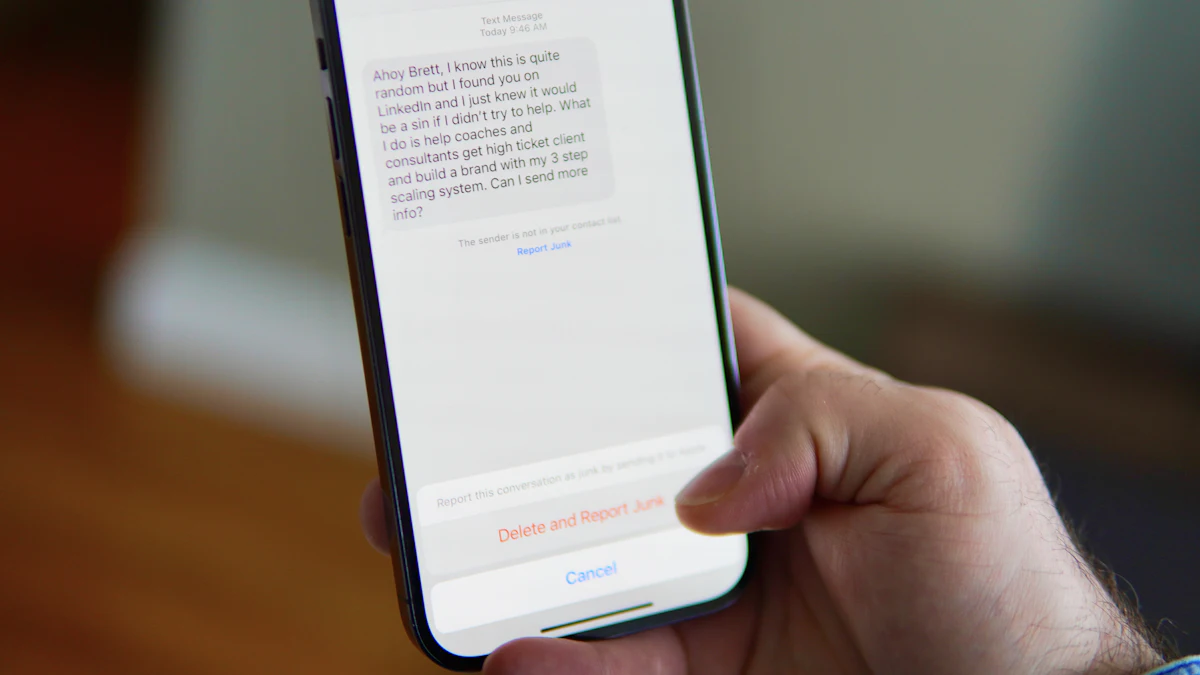
Text messages get read. That is exactly why texting is so effective for appointment reminders, follow-ups and promotions, and why it is so tightly regulated. Mistakes are expensive: the federal Telephone Consumer Protection Act (TCPA) and Florida's own law both allow consumers to sue for each unlawful message.
This guide covers the essentials a small business should have in place before sending marketing texts.
This article is general information, not legal advice. Telemarketing rules change and depend on your specific situation, so consult a qualified attorney before launching SMS campaigns.
Rule 1: Get the right consent
Under FCC rules implementing the TCPA, marketing calls and texts sent using automated technology to mobile numbers require prior express written consent. In practice, that means a clear, written agreement (electronic signatures and checkboxes can qualify) that:
- Identifies your business as the sender
- Includes the phone number the person agrees to receive messages at
- Makes clear they agree to receive marketing messages
- States that consent is not a condition of purchase
Keep records of when and how each person opted in.
What about the "one-to-one consent" rule? In 2023 the FCC adopted a rule that would have required consent to be given to one seller at a time. In January 2025 the U.S. Court of Appeals for the Eleventh Circuit vacated that rule, and it never took effect. Consent still needs to clearly name your business.
Rule 2: Make opting out easy and honor it fast
FCC rules that took effect on April 11, 2025 say consumers may revoke consent by any reasonable means. Replies such as STOP, QUIT, END, REVOKE, OPT OUT, CANCEL or UNSUBSCRIBE are treated as valid, and opt-out requests must be honored within 10 business days. You may send one confirmation message that does not include marketing.
A separate FCC provision, under which opting out of one type of message would stop all non-emergency messages from that sender, has been delayed to January 31, 2027 and remains under review. Watch for updates.
Rule 3: Respect quiet hours
Federal rules prohibit telephone solicitations before 8 a.m. or after 9 p.m. in the recipient's local time. Florida is stricter: the Florida Telephone Solicitation Act limits covered calls and texts to between 8 a.m. and 8 p.m. local time and caps them at three per 24 hours on the same subject.
Rule 4: Know Florida's law
Florida's Telephone Solicitation Act (section 501.059, Florida Statutes) was expanded in 2021 to require prior express written consent for automated telephonic sales calls, including texts, and to give consumers a private right of action with damages of $500 per violation, tripled for willful violations.
A 2023 amendment (HB 761) added an important step for texts: a consumer must first reply STOP, and the business has 15 days to stop messaging before the consumer can sue over those texts. It also narrowed the definition of an automated system. If you text Floridians, build your process around the stricter state rules.
Rule 5: Register for A2P 10DLC
If you send business texts from a standard 10-digit local number (10DLC) through a software platform, U.S. carriers require you to register your brand and each messaging campaign through The Campaign Registry, usually via your texting provider. Unregistered traffic is filtered or blocked. Providers such as Twilio block messages from 10DLC numbers that are not tied to an approved campaign.
Registration asks for your business details, the purpose of your messages, sample messages and how people opt in, so it pays to have your consent process documented first.
Rule 6: Write compliant messages
- Identify your business in the first message
- Include opt-out instructions, for example "Reply STOP to opt out"
- Keep content consistent with what people signed up for
- Avoid prohibited content categories set by carriers
- Do not text numbers from purchased or scraped lists
A compliance checklist
- Written consent language on every form that collects phone numbers for marketing
- Records of consent with date, time, source and the exact wording shown
- Automatic handling of STOP and similar replies, honored within 10 business days or sooner
- Quiet hours set to 8 a.m. to 8 p.m. recipient local time if you text Florida numbers
- A2P 10DLC brand and campaign registration approved before sending
- Message templates that identify your business and include opt-out instructions
- A regular review with your attorney as rules change
Texts that rarely cause trouble, and those that do
Informational messages a customer expects, such as appointment confirmations they requested, carry lower risk than promotional blasts, though consent and opt-out rules still apply. Problems usually come from marketing messages sent without clear written consent, ignored opt-outs and late-night sends.
Digital Warehouses sets up CRM texting with consent capture, opt-out handling and registration support through our Business in a Box CRM. For email, see our guide to email deliverability.
Frequently Asked Questions
Do I need permission to send marketing text messages?
Yes. Marketing texts sent using automated technology require prior express written consent under federal rules, and Florida's law has similar requirements. Keep a record of each opt-in.
How quickly must I honor a STOP request?
FCC rules effective April 11, 2025 require opt-out requests to be honored within 10 business days, and Florida's law gives businesses 15 days after a STOP reply before a consumer can sue over texts. Best practice is to stop immediately and automatically.
What time can I send marketing texts?
Federal rules prohibit telephone solicitations before 8 a.m. or after 9 p.m. local time. Florida limits covered messages to 8 a.m. to 8 p.m. local time.
What is A2P 10DLC registration?
It is the carrier-required registration of your business and messaging campaigns, through The Campaign Registry, for texts sent from standard 10-digit numbers using software. Unregistered messages are filtered or blocked.
Is the FCC one-to-one consent rule in effect?
No. The Eleventh Circuit vacated the one-to-one consent rule in January 2025, and it never took effect.